
Medicare Scam Calls: What They Sound Like, and the One Rule
Your phone rings. The screen says MEDICARE.
A very nice voice says, “Hi there! I’m calling about your Medicare card.”
What you do in the next sixty seconds can cost you thousands of dollars.
Here are five calls going around this fall, word for word. You pick up. You decide. Four are fake, one is real, and one rule stops every fake.
Medicare doesn't call you first to sell you anything or ask for your Medicare number. Medicare.gov says it calls only in limited cases, like after you left a message, reported fraud or joined a plan. If a caller says they're from Medicare and asks for your number, hang up and call 1-800-MEDICARE yourself.
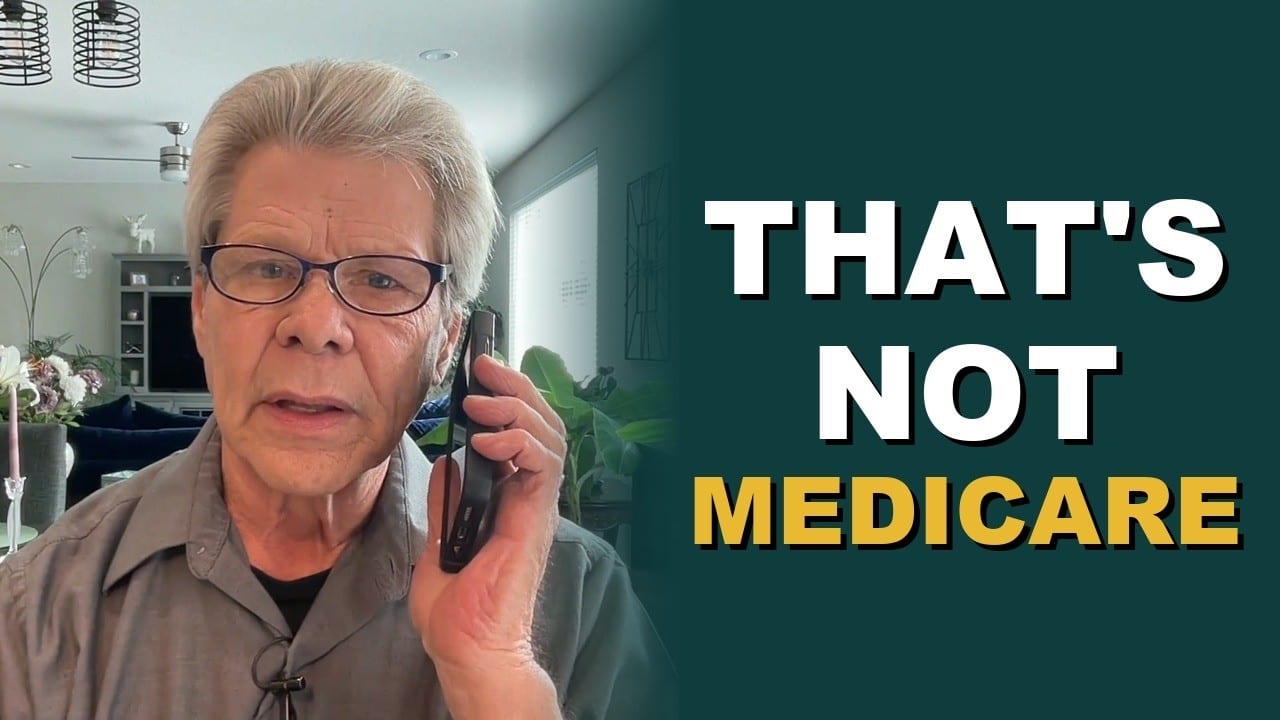
It’s a quiet weekday morning. You’re at the kitchen table, coffee still hot.
Your phone lights up. The screen says MEDICARE.
So you pick up. Why wouldn’t you? It says Medicare, right there.
I have a Medicare card in my own wallet, the same red, white and blue one you have. So when the fake “Medicare” calls go out, my number is on their list too.
I haven’t had one of these calls yet. But millions of people have. So I tracked down the real scripts these callers use, and I played every one of them on camera.

Before we start, here’s how I think about it.
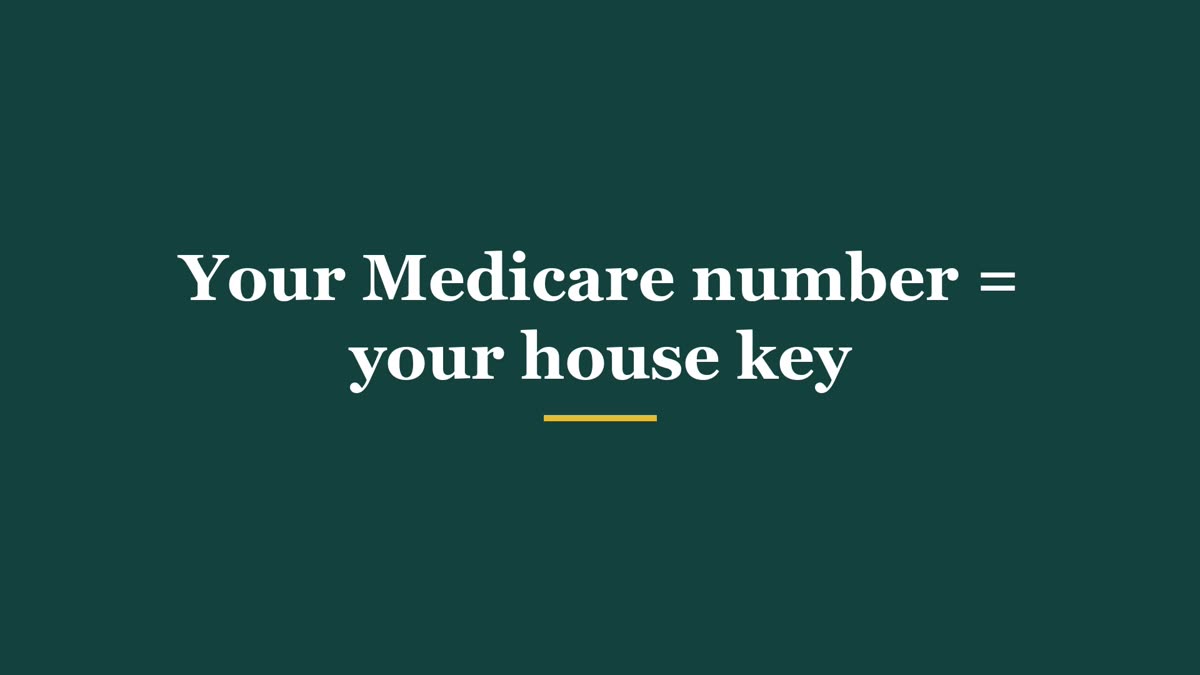
You’d never hand your house key to a stranger on the porch. Even if he had a nice smile. Even if his shirt said “Key Company.”
On the phone, people hand that key over every day.
So let’s play a game. Five calls are coming. You’re the one picking up. For each call, decide: would you give them your number? Then tap the box to see my grade. Keep score. I’ll give you the answer key at the end.
Why Do Medicare Scam Calls Spike in the Fall?
Because of Open Enrollment. It runs October 15 to December 7, and your mailbox fills up with plan letters. You’re expecting to hear about Medicare. The crooks know that, so they call when a Medicare call sounds normal.
They don’t wait for October, either.
Nomorobo, a company that blocks robocalls, tracked one fake Medicare robocall. One script. It estimates that call reached more than 7.6 million Americans in May 2026 alone. That’s a company estimate, from its network of about 300,000 test phone lines, not a government count. Still: one call, one month, before enrollment even started.
The FTC sees it too. In its October 2026 report to Congress, it says the phone scams older adults reported were “often about scams impersonating Medicare, banks, Amazon, and the FTC.”
What does it cost? Picture a small town. About 12,000 people. The church, the diner, the high school football field.
Now picture every one of them losing about $37,000.
That’s what people 60 and over told the FTC they lost to fake government callers in 2025: $448 million, from 12,183 people who reported a loss.
That’s not all Medicare. It’s everyone pretending to be the government: Social Security, the FTC, Medicare. And it only counts the people who told someone. Most never do.
Ready? Here comes the first call.
What Do Medicare Scam Calls Sound Like?
Most of them follow one of a few scripts: a “new card” that needs your number, a “database” you have to be moved into, a threat that you’ll lose Medicare, or a free gift that Medicare pays for. One kind of call is real, and it’s the one you asked for. Here are all five, the way they sound when you pick up.
Call 1: the new card
Monday, 9:15 in the morning. You’re still in your robe. The phone rings.
Incoming call
MEDICARE
"Hi! This is Medicare. We're sending out the new Medicare cards this year."
"I just need to check your Medicare number, so your new card goes to the right house."
"Oh, and there's a small fee for the new card. I can take a card number for that."
She sounds kind. Like the nice lady at your bank. And a new card makes sense. Things change every year, right?
Your card is in your wallet, two feet away.
Would you read her your Medicare number?
FAKE
Here’s the tell. Your Medicare card is free, and it comes in the mail by itself. The FTC lists this exact call: scammers “say they need your Medicare, bank account, or credit card number for your ‘new’ Medicare card.”
There’s no fee. There’s no check. The “new card” call has one job: to get your house key.
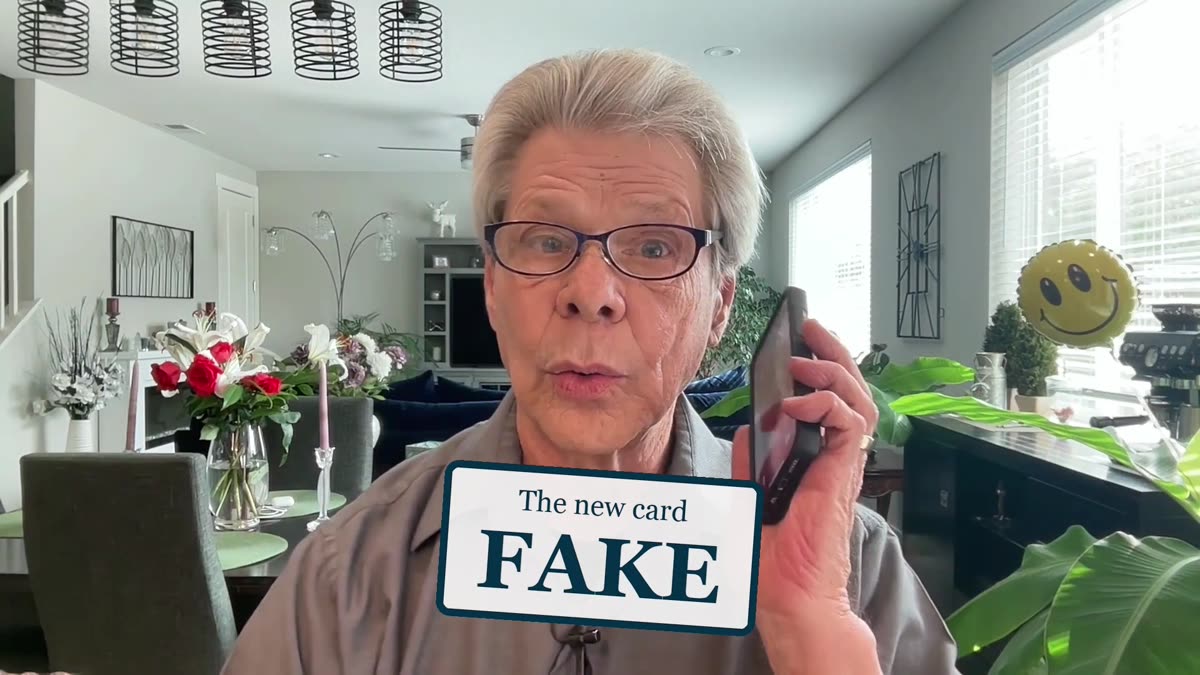
Call 2: the “national database”
Wednesday, 2 in the afternoon. Grocery bags still on the counter. The phone rings. This time it’s a recording.
This is the call Nomorobo caught going to millions of phones. In my own words, it goes like this:
Incoming call · recorded voice
MEDICARE
"Good afternoon. Your Medicare member profile hasn't been moved into the national database for this year."
"That can hold up your coverage. Let's verify it now."
"Do you have Part A and Part B?"
It doesn’t ask for your number. Just an easy question. You do have Part A and Part B. It would feel rude not to say so.
Would you say "yes"?
FAKE
That “yes” is a foot in the door. Nomorobo says the next ask is your Medicare number, your Social Security number or your birthday. One line to watch for: “Can you read me the number on your red, white and blue card?”
Here’s the tell. There’s no database you have to get into. If you have Medicare, you’re already in. Nobody has to move you anywhere.
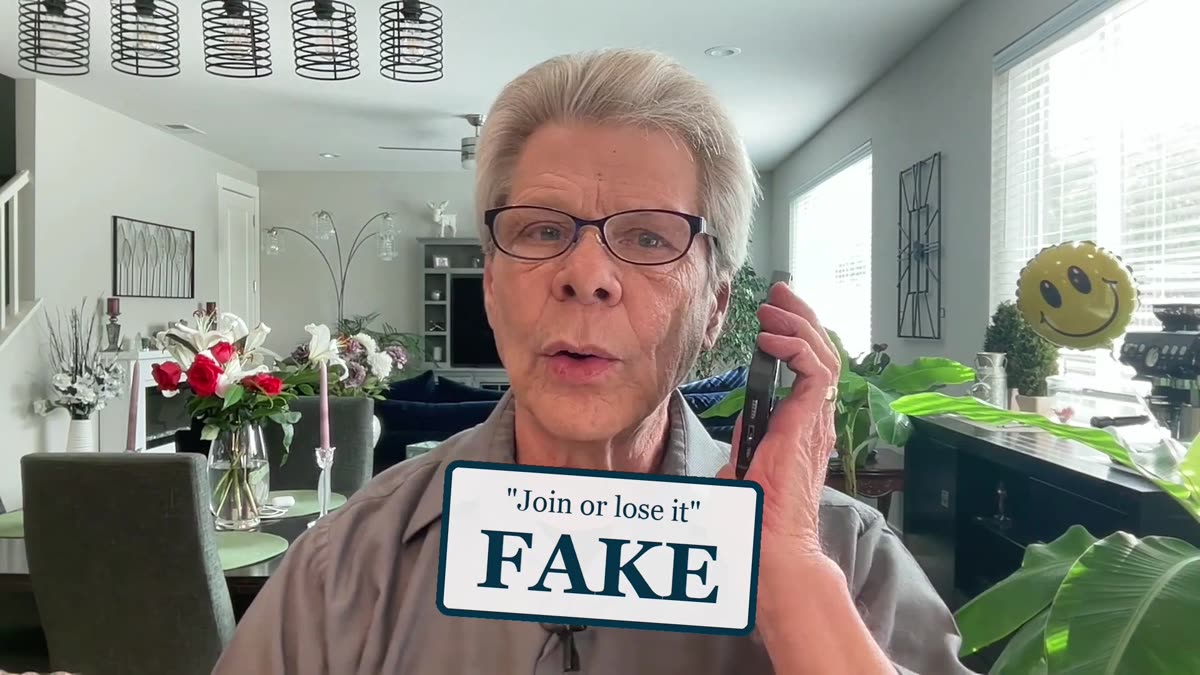
Call 3: join or lose it
Friday, 4:45. Almost the weekend. The phone rings, and this voice is fast. Serious.
Incoming call
MEDICARE
"I'm calling from Medicare. I see you don't have a drug plan."
"If you don't sign up for Part D today, you will lose your Medicare."
"I can sign you up right now. It takes five minutes."
Your stomach drops. Lose your Medicare? At your age? Five minutes sounds like nothing next to that.
Would you sign up right now, just to be safe?
FAKE
Fear makes people hurry. That’s the whole point of this call.
The state of Michigan warned about this exact call on October 12, 2026. Its insurance department said to “ignore anyone who contacts you saying you must join the prescription drug plan (also known as Part D) or you will lose your Medicare coverage.” It added: “The prescription drug plan is completely voluntary.”
One honest note. I have a Part D plan. I chose it. Skip Part D with no other drug coverage that counts, and you can owe a late penalty when you sign up later: 1% for every month you went without. That’s a real question. Ask 1-800-MEDICARE, not a stranger who called you.
And here’s a twist. Sometimes the caller really does sell insurance. But Michigan’s warning spells out the rule: agents and brokers “cannot state that they are from Medicare.” So the moment he says “This is Medicare,” he’s lying to you about something.
Call 4: the free gift
Saturday morning. Your back has been sore all week. You slept wrong, or you lifted wrong. And then, like magic, the phone rings.
Incoming call
MEDICARE
"Good news! You qualify for a free back brace."
"Medicare pays for all of it. You don't pay a dime."
"I just need your Medicare number to ship it."
Free. Paid for. Exactly what you needed this week. What’s the harm?
Would you give your number to get the brace?
FAKE
The gift isn’t the trick. The bill is.
They take your number. They send you a box you never needed. Sometimes several boxes. Then they bill Medicare for it, in your name. Sometimes it’s a brace. Sometimes it’s a “free” gene test, a cheek swab in the mail. Sometimes it’s medical supplies, like catheters.
And if Medicare says no? For the gene test, the government’s health fraud office (HHS-OIG) says you may owe the full cost, and that could be thousands of dollars.
The same office puts the rule in one line: “If anyone other than your physician’s office requests your Medicare information, do not provide it.”

Call 5: the callback
Tuesday. That morning you had a question about your drug plan, so you called 1-800-MEDICARE yourself. You left a message. At 3 in the afternoon, the phone rings.
Incoming call
MEDICARE
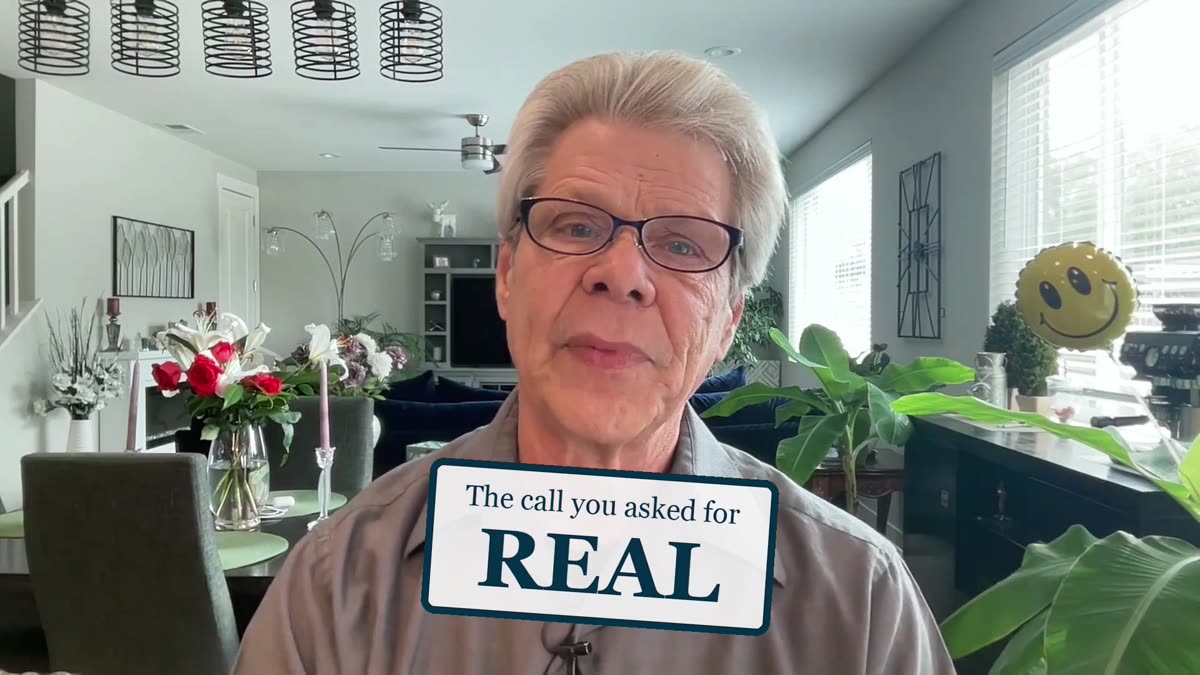
"Hi, this is Medicare, returning your call from this morning."
"You asked about your drug plan."
Same screen. Same word. By now you’re suspicious of everybody.
Would you talk to this one?
REAL
This one is real. Why? Because you started it.
You called that morning. You asked them to call you back. So they did. That’s one of the few cases on Medicare.gov’s short list, and you’ll see the whole list in a second.
Your own doctor’s office calling about your visit is the same thing. You started that, too.
Even here, if your gut says “hmm,” it’s fine to hang up and call back. A real caller won’t mind.
Does Medicare Call You?
Almost never, and never to sell you something. Medicare.gov says Medicare calls and asks for personal information only in limited cases: an agent returning your call after you joined a plan, a fraud report you made, or a message you left for Medicare. In every case, you reached out first.
That’s why call 5 passed, and the other four failed.
Here are Medicare’s own words, from its fraud page: “Medicare will never call you to sell you anything or visit you at your home.”
The FTC says the same thing a second way. Medicare won’t call, email or text you out of the blue to ask for your Medicare, Social Security or bank account numbers. It won’t tell you to pay for your Medicare card either.
If "Medicare" called you first, it isn't Medicare.
How Do You Stop a Medicare Scam Call?
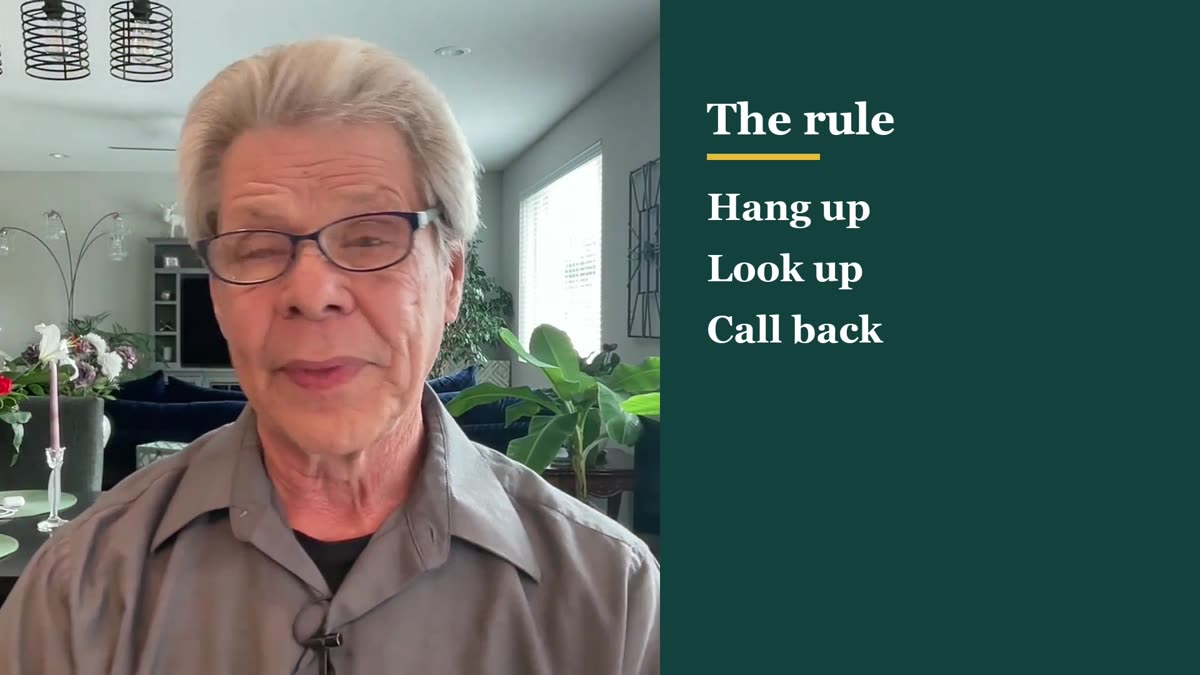
Hang up, look up, call back. Don’t argue and don’t explain. Find the real number yourself: 1-800-MEDICARE (1-800-633-4227), the number on the back of your card. Then call and ask if they just called you. A real Medicare call will still be real when you call back.
One more thing. Don’t trust the screen on your phone.
Every call in this game said MEDICARE. The FTC says it plainly: “Don’t trust your caller ID.” A crook can make your phone say MEDICARE, or show a real government number.
So when that call comes, do three things:
- Hang up. You don’t owe a stranger an explanation.
- Look up. Find the real number yourself. It’s 1-800-MEDICARE, and it’s on the back of your Medicare card.
- Call back. Ask, “Did you just call me?”
The crook needs you to stay on the line. The second you hang up, he loses.
Got the same thing by text or email? Same rule. Still not sure about a message? Paste it into ChatGPT and ask “Is this a scam?”. My guide walks you through it.
What If You Already Gave Out Your Medicare Number?
Don’t panic, and don’t be embarrassed. Call 1-800-MEDICARE and tell them what happened. Then watch your Medicare statements for anything you never got, and send back any medical box you didn’t order. Your local Senior Medicare Patrol will walk you through it for free.
These people do this all day long. They’re good at it. Here’s what you do:
- Call 1-800-MEDICARE (1-800-633-4227) and tell them what happened. TTY users can call 1-877-486-2048.
- Check your Medicare statements. On Original Medicare, that’s the Medicare Summary Notice in the mail. You can also log in at Medicare.gov and see your claims as they come in, without waiting for the paper. On a Medicare Advantage or drug plan, check the Explanation of Benefits your plan sends. Look for anything you never got: a brace, a test, a doctor you never saw.
- Refuse or return any box you didn’t order. HHS-OIG says to write down who sent it and the date you sent it back.
- Call your Senior Medicare Patrol at 1-877-808-2468, or find yours at smpresource.org. It’s free, and they help people like us every day.
- Report the fraud to the HHS-OIG hotline at tips.hhs.gov or 1-800-HHS-TIPS (1-800-447-8477).
If you’re in a Medicare Advantage or drug plan, Medicare.gov also lists the I-MEDIC line for fraud reports: 1-877-7SAFERX (1-877-772-3379).
What My Guide Can’t Tell You
Here’s where my guide stops, and where it could fall short for you:
- Tomorrow’s script. Crooks change the words all the time. The rule doesn’t change: if they called you first, hang up and call 1-800-MEDICARE.
- The real number of calls. The 7.6 million figure is one company’s estimate for one robocall. Nobody counts every call.
- How much Medicare scams alone cost. The FTC’s $448 million covers every fake government caller, not only Medicare. It also counts only people who reported a loss.
- Whether a charge on your statement is fraud. Sometimes it’s a billing mistake. 1-800-MEDICARE or your Senior Medicare Patrol can sort that out with you.
- Legal or insurance advice. I’m not a lawyer, and I don’t sell insurance. This is a plain guide built on Medicare, FTC and HHS pages.
How Did You Score?
Here’s the answer key. Give yourself a point for every fake you’d have hung up on, and one for the real call you’d have taken.
| The call | What they said | The grade |
|---|---|---|
| The new card | “I just need to check your Medicare number” | Fake |
| The “database” | “Your profile hasn’t been moved into the national database” | Fake |
| Join or lose it | “Sign up for Part D today, or you’ll lose your Medicare” | Fake |
| The free gift | “A free back brace. Medicare pays for all of it.” | Fake |
| The callback | “Returning your call from this morning” | Real |
5 out of 5? Your house key is safe. Now go make sure your friends’ keys are too.
Missed one? You’re in good company. These scripts are written by people who do this all day. That’s exactly why the rule beats your gut: if they called you first, hang up, look up, call back.
Your Plan for Scam Season
You’ve spotted a bad deal before. A car lot. A guy at the door. This is the same thing, on the phone.
- Today: grab a sticky note. Write 1-800-MEDICARE on it. Stick it by your phone.
- When “Medicare” calls: hang up, look up, call back. Every time.
- Never give your Medicare number to anyone but your doctor, your plan, or someone you called yourself.
- Read your Medicare statements when they come. Look for anything you never got.
- Play this game with one friend. Send them this page. The one who always picks up. You know who I mean.
Want to know what your real Medicare choices are this fall? My Medicare Open Enrollment 2027 guide shows the one letter to read before December 7.
And Medicare isn’t the only scam that rings. Some come as a job offer. In my video Legit or Scam? 5 Work-From-Home Offers Aimed at People Over 50, Graded, I cut open five of them.
Bless and be blessed,

Sources
- Medicare.gov, Reporting Medicare fraud and abuse (when Medicare calls, what it will never do, 1-800-MEDICARE, I-MEDIC) - checked Oct 29, 2026
- FTC consumer alert, Avoid scams during Medicare's Open Enrollment period (the new-card call, the equipment-claim call, caller ID can be faked) - checked Oct 29, 2026
- FTC, Protecting Older Consumers 2025-2026, a report to Congress (19 Oct 2026): p. 24 note 79 and p. 27 Figure 5 ($448 million to government imposters, ages 60+, 12,183 loss reports) - checked Oct 29, 2026
- Nomorobo, Medicare Fraud Alert: Fake "National Database" Robocalls Flooding Phones (call captured 1 Jun 2026; 7.6 million estimate for May 2026) - checked Oct 29, 2026
- Michigan DIFS and MDHHS, tips to help older adults avoid scams during Medicare Open Enrollment (12 Oct 2026) - checked Oct 29, 2026
- HHS-OIG, Nationwide Brace Scam - checked Oct 29, 2026
- HHS-OIG, Genetic Testing Scam - checked Oct 29, 2026
- HHS-OIG, Urinary Catheter Scams (Senior Medicare Patrol number, HHS-OIG hotline) - checked Oct 29, 2026
- Medicare.gov, Protecting Yourself and Medicare from Fraud (check your Medicare Summary Notice; see claims in your Medicare.gov account) - checked Oct 29, 2026
- Medicare.gov, Avoid late enrollment penalties (Part D: 1% a month) - checked Oct 29, 2026
- Senior Medicare Patrol (free local help, 1-877-808-2468) - checked Oct 29, 2026